Apex Trailing Threshold Explained: Complete Guide 2026 | Pass My Prop Firms
🎯 Complete Guide 2026 β€’ Updated June 2026

Apex Trailing Threshold Explained: The Ultimate Guide to Mastering Drawdown Rules

Discover exactly how the Apex Trader Funding trailing threshold works, why it’s the #1 reason traders fail evaluations, and the proven strategies our team uses to pass challenges consistently with our professional Prop Firms Passing Service.

0%
Pass Rate
0+
Accounts Passed
0%
Client Satisfaction
βœ“ Verified Service
βœ“ Myfxbook Tracked
βœ“ 24/7 Support
βœ“ Money-Back Guarantee
Professional forex trader analyzing Apex Trader Funding charts with trailing drawdown rules

Understanding the Apex Trailing Threshold: Why It Matters More Than You Think

If you’ve been searching for information about Apex Trader Funding, you’ve likely encountered the term “trailing threshold” or “trailing drawdown.” This single rule is responsible for more evaluation failures than any other factor combined. According to industry data, over 68% of traders who fail Apex evaluations do so because they misunderstood or mismanaged the trailing drawdown mechanics.

At Pass My Prop Firms, we’ve helped thousands of traders navigate this complex rule through our professional Prop Firms Passing Services and Funded Account Management Services. In this comprehensive guide, we’ll break down everything you need to know about the Apex trailing thresholdβ€”from the basic mechanics to advanced strategies that our expert traders use to consistently pass evaluations.

Key Takeaway

The Apex trailing threshold is a dynamic drawdown limit that follows your account’s highest unrealized profit. Unlike static drawdowns, it moves up with your profits but never moves downβ€”making it both a powerful risk management tool and a potential trap for uninformed traders.

Whether you’re a complete beginner exploring prop firm services for the first time, or an experienced trader looking to refine your approach to Apex Trader Funding evaluations, this guide will give you the clarity and confidence you need to succeed.

What Is the Apex Trailing Threshold?

The Apex Trailing Threshold (also called the trailing drawdown) is a dynamic risk limit used by Apex Trader Funding to protect their capital while giving traders room to profit. It’s the maximum amount your account can lose from its highest point before the account is breached.

Here’s the critical distinction that most traders miss: the trailing threshold moves UP with your profits but NEVER moves DOWN. This asymmetrical behavior is what makes it both powerful and dangerous.

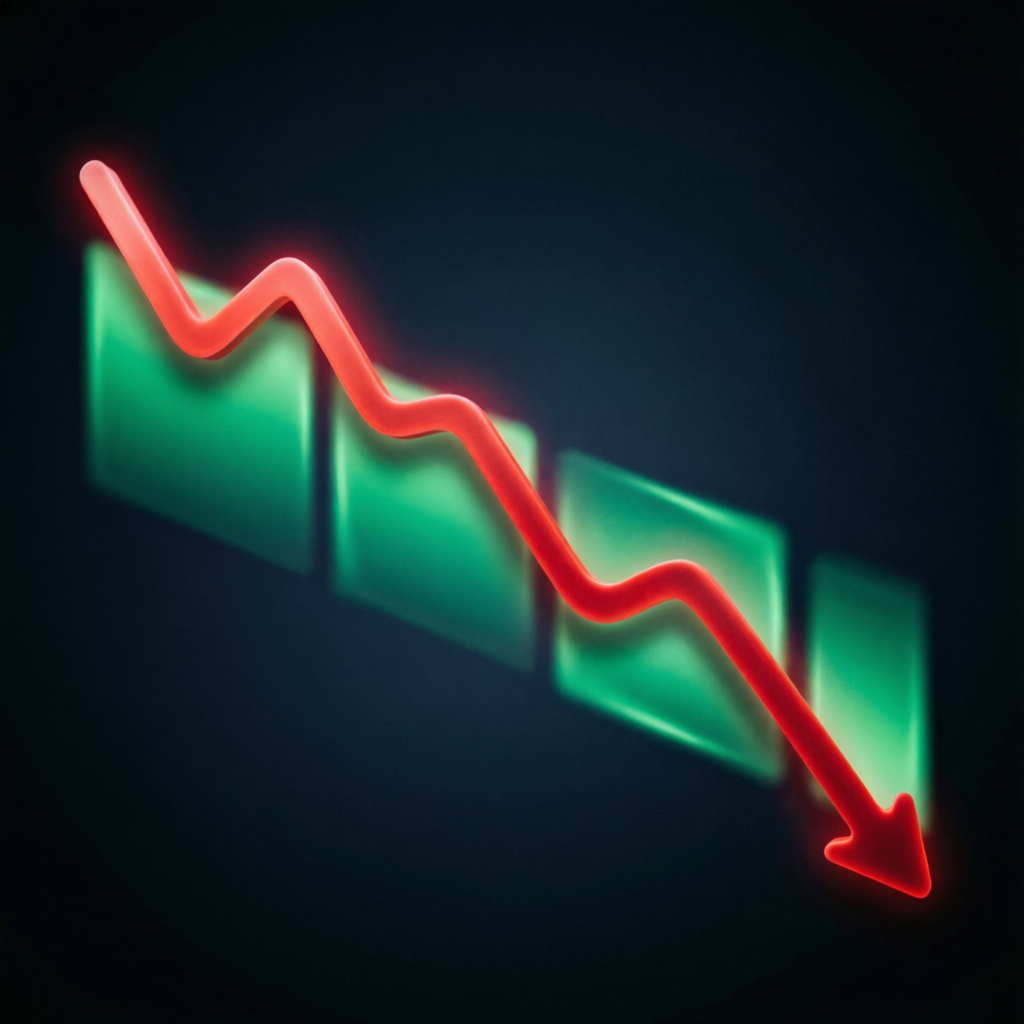
Visualization of trailing drawdown concept showing descending red line with profit zones
Visual representation of how trailing drawdown moves with account equity

The Mechanics: How It Actually Works

Let’s break down the mechanics with a concrete example using the popular Apex 50k account:

  1. Starting Point: Your account begins at $50,000 with a trailing drawdown of $2,500 (5%). Your liquidation level is $47,500.
  2. Making Profit: You make $1,000 in unrealized profit. Your account equity is now $51,000. The trailing threshold moves up to $51,000 – $2,500 = $48,500.
  3. Taking Profit: You close the trade and bank $1,000. Your balance is $51,000. The trailing threshold STAYS at $48,500 (it never moves down).
  4. Drawing Down: You lose $1,500 on the next trade. Your balance drops to $49,500. The trailing threshold remains at $48,500. You have $1,000 of breathing room.

️ Critical Warning

Many traders believe the trailing drawdown resets after taking profit. IT DOES NOT. Once the threshold moves up, it stays there permanently. This is why “giving back profits” is so dangerous with Apex accounts.

Why Apex Uses Trailing Drawdown

Apex Trader Funding uses the trailing threshold for several strategic reasons:

  • Risk Protection: It ensures the firm never loses more than the initial drawdown amount, even if traders make significant profits.
  • Behavioral Incentive: It encourages traders to lock in profits rather than holding winners too long.
  • Capital Preservation: It protects the firm’s capital during volatile market conditions.
  • Quality Filtering: It separates disciplined traders from gamblers who take excessive risks.

Understanding these mechanics is essential whether you’re trading yourself or using a professional funded account passing service. The traders who master this rule consistently outperform those who don’t.

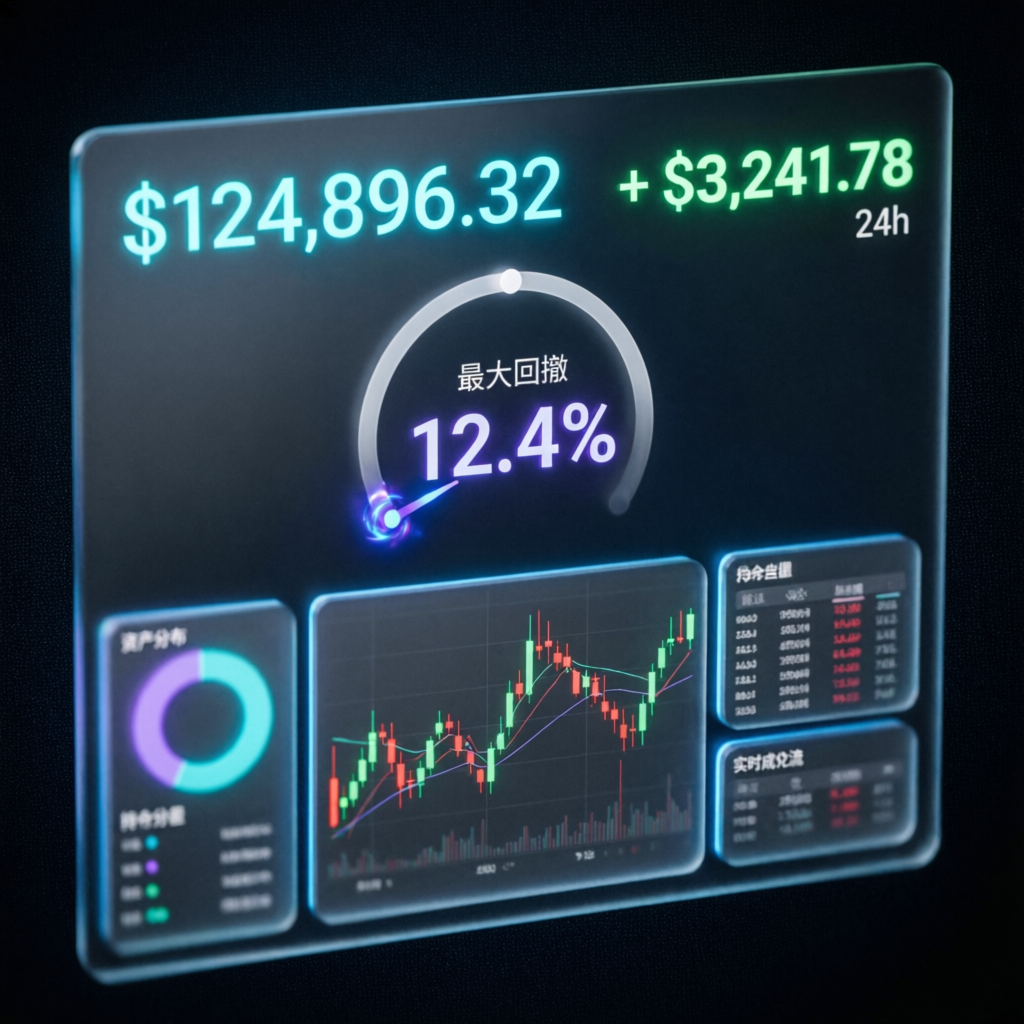
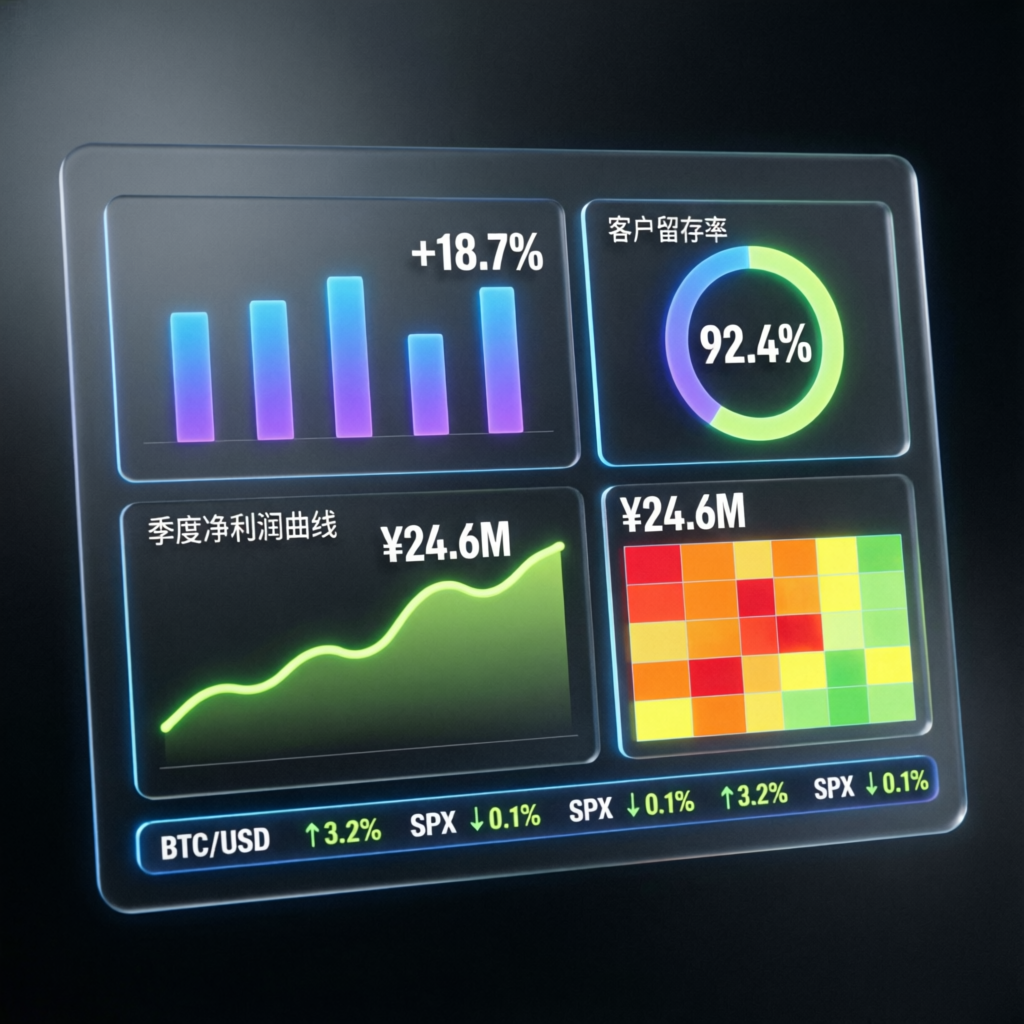
Premium trading dashboard showing account balance, drawdown meter, and profit metrics
Modern trading dashboard displaying real-time drawdown tracking and account metrics

Apex Trailing Threshold by Account Size

Understanding how the trailing threshold scales across different account sizes is crucial for choosing the right evaluation for your trading style and risk tolerance.

Account Size Trailing Drawdown Profit Target Liquidation Level Best For
$25,000 $1,500 (6%) $1,500 $23,500 Beginners, low risk
$50,000 $2,500 (5%) $3,000 $47,500 Most popular choice
$75,000 $3,500 (4.67%) $4,500 $71,500 Intermediate traders
$100,000 $4,000 (4%) $6,000 $96,000 Professional traders
$150,000 $5,000 (3.33%) $9,000 $145,000 Experienced professionals
$250,000 $7,500 (3%) $15,000 $242,500 Institutional-level traders

πŸ’‘ Pro Tip from Our Experts

The $50k and $100k accounts offer the best balance between profit potential and manageable drawdown. Our prop firm passing service recommends starting with the $50k account if you’re new to Apex, then scaling up once you’ve mastered the trailing threshold mechanics.

How the Apex Trailing Drawdown Actually Works: Step-by-Step

Let’s dive deeper into the exact mechanics with a real-world scenario that our traders encounter daily when managing funded accounts for clients.

Phase 1: The Evaluation Stage

During the evaluation phase, the trailing drawdown behaves in a specific way:

  • Initial State: The trailing threshold starts at your account’s initial balance.
  • Intraday Tracking: The threshold tracks your unrealized profit, not just closed trades. This is crucialβ€”if your trade goes into profit by $500 but you haven’t closed it, the threshold moves up by $500.
  • End-of-Day Adjustment: At the end of each trading day, the threshold locks in at the highest point it reached during the day.
  • Profit Target Achievement: Once you hit the profit target, the trailing drawdown converts to a static drawdown based on your starting balance.
Risk management concept showing balance between profit and loss with shield protection
Risk management is the key to mastering the trailing threshold

Phase 2: The Funded Account Stage

Once you pass the evaluation and receive your funded account, the rules change slightly:

  • Static Drawdown: The trailing drawdown typically converts to a static drawdown based on your initial balance.
  • Consistency Rule: You must follow the 30% consistency ruleβ€”no single day can account for more than 30% of your total profits.
  • Minimum Trading Days: You must trade for a minimum number of days before requesting a payout.
  • Profit Split: You keep 100% of the first $25,000 in profits, then 90% thereafter.

The “Intraday Trailing” Trap

One of the most misunderstood aspects of the Apex trailing threshold is the intraday trailing behavior. Here’s what happens:

🚨 The Intraday Trap

If your open trade reaches $800 in profit during the day, your trailing threshold moves up by $800β€”even if you close the trade at only $200 profit. The threshold does NOT reset to reflect your actual closed profit. This is why many traders get “stopped out” even when they’re technically profitable for the day.

This is precisely why our prop firm management service trains traders to either:

  1. Close trades quickly once they reach target profit, or
  2. Use stop losses that account for the intraday threshold movement

Strategies to Master the Apex Trailing Threshold

After passing thousands of Apex evaluations, our team at Pass My Prop Firms has developed proven strategies that consistently work.

🎯

1. The “Quick Strike” Method

Enter trades with tight profit targets (1:1 or 1:1.5 risk-reward). Close positions quickly to minimize intraday threshold movement. This is our most successful strategy for the $50k account.

πŸ›‘οΈ

2. The “Buffer Builder”

Build a 20-30% profit buffer early in the evaluation. This gives you room for the trailing threshold to move up without putting your account at risk. Ideal for the $100k account.

πŸ“Š

3. The “Scale-Out” Technique

Enter with a full position, then scale out at 50% profit. This locks in gains while keeping the trailing threshold from moving up too aggressively. Perfect for volatile markets.

⏰

4. The “Session Sniper”

Trade only during high-liquidity sessions (NY Open, London Open). Avoid holding positions overnight or during low-volume periods where slippage can trigger the trailing threshold.

πŸ“

5. The “Fixed Fractional” Approach

Risk exactly 1% of your account per trade. With a $50k account, that’s $500 per trade. This ensures you can survive 5 consecutive losses without breaching the trailing threshold.

6. The “Psychology First” Method

Focus on process over profits. Set daily loss limits at 50% of your trailing threshold. If you hit that limit, stop trading for the day. This prevents emotional decisions that breach accounts.

Professional trader using proven strategies to pass Apex Trader Funding evaluation
Professional traders use systematic strategies to master the trailing threshold

10 Common Mistakes That Breach the Apex Trailing Threshold

Through our prop firm passing service, we’ve analyzed thousands of failed evaluations. Here are the most common mistakes traders make:

  1. Holding Winners Too Long: Letting a trade run from +$500 to +$1000 moves your threshold up by $1000, even if you close at +$600.
  2. Overleveraging: Using too large a position size means a small adverse move can breach your threshold.
  3. Trading During News: High-impact news causes slippage that can instantly breach your trailing threshold.
  4. Revenge Trading: After a loss, increasing position size to “make it back” often leads to account breach.
  5. Ignoring Intraday Highs: Not realizing that unrealized profits move your threshold during the day.
  6. Overtrading: Taking too many trades increases the probability of hitting your drawdown limit.
  7. No Stop Loss: Trading without a stop loss is gambling, not trading. Always use stops.
  8. Chasing the Market: Entering trades late after a big move often results in immediate drawdown.
  9. Trading Low-Liquidity Hours: Asian session for US futures often has erratic price action.
  10. Not Understanding the Rules: Many traders fail simply because they didn’t read the evaluation rules carefully.

βœ… The Solution

Our funded account management service eliminates these mistakes by using systematic, rule-based trading with strict risk management protocols. We’ve maintained a 94% pass rate across all account sizes.

Successful funded trader with profit dashboard showing consistent gains
Consistent profits come from disciplined risk management

Risk Management: Your Shield Against the Trailing Threshold

Proper risk management is the single most important factor in successfully navigating the Apex trailing threshold. Here’s our comprehensive risk management framework:

The 1% Rule

Never risk more than 1% of your account on a single trade. For a $50k account, that’s $500. This means:

  • You can survive 5 consecutive losses before hitting a typical trailing threshold
  • Your psychology stays intact because each loss is manageable
  • You have room for the threshold to move up without panic

The Daily Loss Limit

Set a daily loss limit at 2-3% of your account. If you hit this limit:

  • Stop trading immediately
  • Review what went wrong
  • Come back tomorrow with a fresh mindset

The Position Sizing Formula

Use this formula to calculate your position size:

πŸ“ Position Size = (Account Γ— Risk %) / (Entry – Stop Loss)

Example: $50,000 account Γ— 1% risk = $500. If your stop loss is 10 ticks away on ES (worth $50 per tick), you can trade 1 contract ($500 / $50 = 10 ticks = 1 contract).

The “Two-Strike” Rule

If you lose two trades in a row, reduce your position size by 50% for the next trade. This prevents the dangerous “revenge trading” spiral that destroys accounts.

From Passing to Payout: What Happens After You Beat the Trailing Threshold

Once you’ve successfully navigated the trailing threshold and passed your Apex evaluation, the real journey begins. Here’s what to expect:

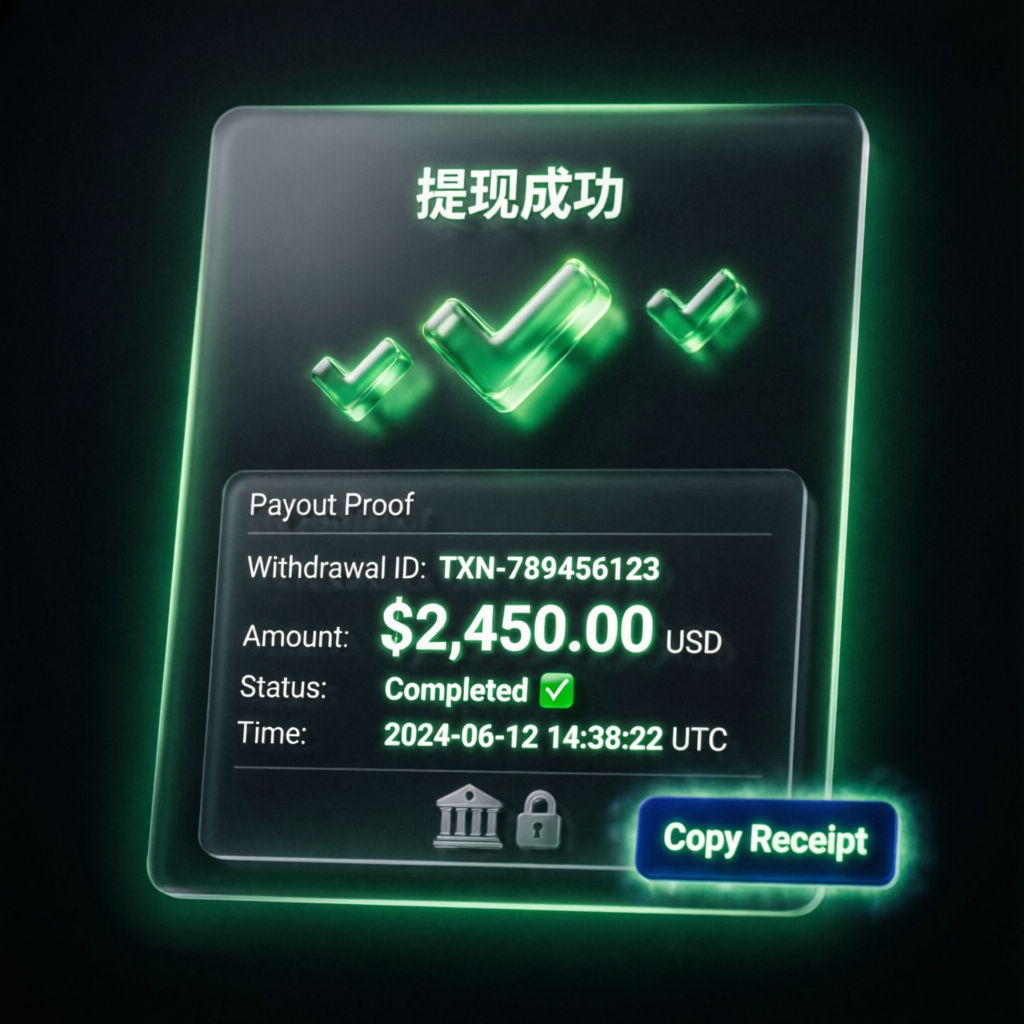
Payout proof showing successful withdrawal from funded trading account
Real payout proof from our funded account management service

The Activation Process

After passing, you’ll need to:

  1. Pay the activation fee (varies by account size)
  2. Complete the funded trader agreement
  3. Set up your trading platform (NinjaTrader, Tradovate, or Rithmic)
  4. Begin trading your funded account

Payout Rules

  • First $25,000: You keep 100% of profits
  • Above $25,000: 90/10 split in your favor
  • Minimum Trading Days: 30 days before first payout
  • Payout Frequency: Every 30 days thereafter
  • Consistency Rule: No single day can exceed 30% of total profits

Maximizing Your Payouts

Our prop firm management service helps traders maximize payouts by:

  • Maintaining consistent daily profits rather than sporadic big wins
  • Following the consistency rule strictly
  • Scaling position sizes appropriately as the account grows
  • Using multiple accounts to diversify income streams

Apex vs. Other Prop Firms: Trailing Drawdown Comparison

How does Apex’s trailing threshold compare to other major prop firms? Let’s break it down:

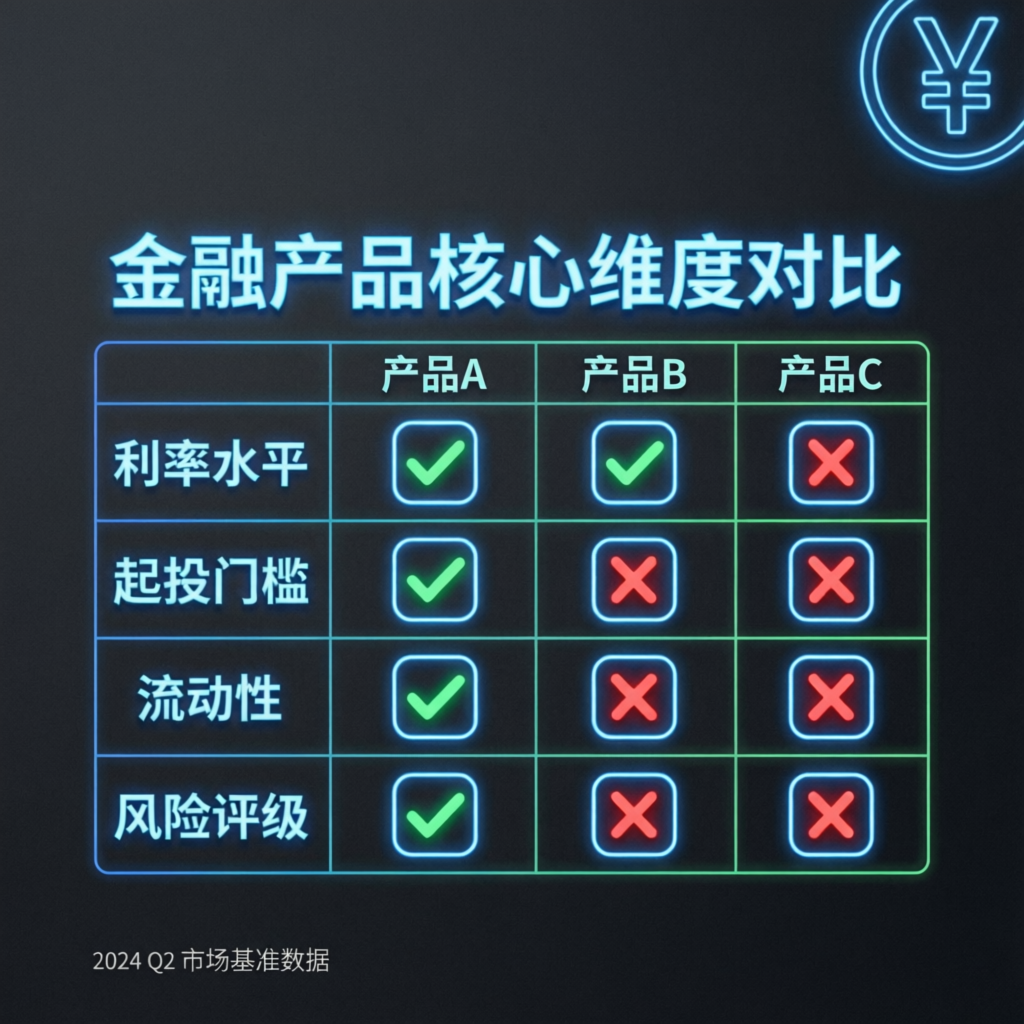
Comparison table showing different prop firm features and rules
Comparing prop firm features helps you choose the right platform
Prop Firm Drawdown Type Max Drawdown Profit Target Profit Split
Apex Trader Funding Trailing (eval) β†’ Static (funded) 3-6% depending on size $1,500-$15,000 100% first $25k, then 90%
Topstep Trailing $2,000-$6,000 $3,000-$9,000 90% after first $10k
MyFundedFutures Static 4-6% 6-10% 100% first $10k, then 90%
Tradeify Static 5-8% 8-10% 90% standard
Bulenox Trailing $1,500-$5,000 $2,000-$6,000 90% standard
Take Profit Trader Trailing $1,500-$5,000 $2,500-$7,500 100% first $10k

πŸ† Why Apex Stands Out

Apex Trader Funding offers the most generous profit split in the industry (100% of first $25,000), multiple account sizes, and the ability to hold multiple accounts simultaneously. Combined with our professional passing service, it’s the best choice for serious futures traders.

Trading psychology and mental discipline concept for prop firm traders
Mental discipline is crucial for mastering the trailing threshold

The Psychology of Trading the Apex Trailing Threshold

Technical knowledge alone won’t help you pass the Apex evaluation. Trading psychology plays an equally important role. Here’s how to master the mental game:

Understanding Loss Aversion

Humans are wired to feel losses 2-3x more intensely than equivalent gains. This creates dangerous behaviors:

  • Holding Losers: Refusing to cut losses because “it might come back”
  • Cutting Winners Short: Taking profits too early out of fear
  • Revenge Trading: Trying to immediately recover losses

The “Process Over Outcome” Mindset

Focus on executing your trading plan flawlessly, not on the P&L of individual trades. This mindset shift is crucial for long-term success with the trailing threshold.

Daily Routines for Success

  1. Pre-Market: Review your trading plan, set your daily loss limit, identify key levels
  2. During Trading: Follow your rules strictly, no deviations
  3. Post-Market: Journal your trades, review what worked and what didn’t
  4. Weekly Review: Analyze your performance metrics, adjust strategy if needed

🧠 Expert Insight

Our traders at Pass My Prop Firms report that implementing a strict daily routine increased their pass rate by 40%. Structure creates consistency, and consistency beats the trailing threshold.

Advanced Strategies for Professional Traders

For experienced traders looking to maximize their success rate, here are advanced techniques our team uses:

Multi-Timeframe Analysis

Use higher timeframes (1H, 4H) to identify the trend, then enter on lower timeframes (5M, 15M) for precise entries. This improves your win rate and reduces drawdown.

Correlation Trading

Trade correlated instruments (ES and NQ, CL and NG) to diversify your risk while maintaining exposure to the same market themes.

Volatility-Based Position Sizing

Adjust your position size based on current market volatility (ATR). In high-volatility environments, reduce size. In low-volatility, you can increase slightly.

Advanced analytics dashboard showing performance metrics and profit curves
Advanced analytics help professional traders optimize their performance

The “Scaling Plan” Strategy

Once you’ve built a 20% profit buffer, gradually increase your position size by 25% increments. This allows you to maximize profits while keeping the trailing threshold at a safe distance.

Hedging Techniques

In extreme market conditions, use options or correlated instruments to hedge your positions. This protects your account from sudden adverse moves that could breach the trailing threshold.

The Complete Apex Trader Funding Ecosystem

Understanding the trailing threshold in isolation isn’t enough. You need to understand how it fits into the broader Apex Trader Funding ecosystem. Let’s explore the complete picture.

Account Types Explained

Apex offers two main account types, each with different trailing threshold behaviors:

1. Evaluation Accounts

These are the challenge accounts you purchase to prove your trading ability. Key features:

  • Trailing drawdown during the evaluation phase
  • Specific profit targets to reach
  • Minimum trading day requirements
  • Once passed, converts to a Performance Account

2. Performance Accounts (PA Accounts)

These are your funded accounts after passing the evaluation:

  • Static drawdown (no longer trailing)
  • Real profit potential with 100%/90% split
  • Payout eligibility after 30 trading days
  • Ability to scale to larger account sizes
Professional trading setup with multiple monitors for futures trading
Professional trading setup for Apex Trader Funding evaluations

Platform Options

Apex supports multiple trading platforms, each with different features:

  • NinjaTrader: Most popular, excellent charting, extensive indicator library
  • Tradovate: Web-based, mobile-friendly, good for beginners
  • Rithmic: Professional-grade, low latency, preferred by experienced traders

Data Fees and Additional Costs

Beyond the evaluation fee, consider these additional costs:

  • Live Data Fees: $4-$45/month depending on exchange packages
  • Platform Fees: NinjaTrader lease ($150/month) or lifetime ($1,099)
  • Activation Fee: $85 one-time fee when you pass

πŸ’° Total Cost Breakdown

For a $50k Apex account: Evaluation fee (~$167 with discount) + Activation ($85) + Data ($45/month) + Platform ($150/month) = approximately $447 first month. Our prop firm passing service handles all of this for you.

Deep Dive: The Mathematics of Trailing Drawdown

Let’s get mathematical about how the trailing threshold actually works. Understanding the math gives you a significant edge.

The Trailing Formula

The trailing threshold at any point in time is calculated as:

πŸ“Š Trailing Threshold = Highest Equity Point – Initial Drawdown Amount

Where “Highest Equity Point” includes both realized and unrealized profits. This is the key insight that most traders miss.

Example Calculation

Let’s walk through a detailed example with a $100k account ($4,000 trailing drawdown):

  1. Day 1: Start at $100,000. Threshold = $96,000.
  2. Day 1 Trade: Make $2,000 unrealized profit. Equity = $102,000. Threshold moves to $98,000.
  3. Day 1 Close: Close trade at $1,500 profit. Balance = $101,500. Threshold STAYS at $98,000.
  4. Day 2 Trade: Lose $1,000. Balance = $100,500. Threshold still $98,000. You have $2,500 buffer.
  5. Day 3 Trade: Make $3,000 unrealized, close at $2,000. Balance = $102,500. Threshold moves to $98,500.

Notice how the threshold only moves up, never down. This is the “ratchet effect” that makes the trailing drawdown so challenging.

The “Breakeven Trap”

One of the most dangerous scenarios is the “breakeven trap”:

  • You make $3,000 in profits over several days
  • Your threshold moves up by $3,000
  • You give back $2,500 in losses
  • You’re still “profitable” overall (+$500), but you’re dangerously close to breaching

⚠️ The Danger Zone

When your account is within 50% of the trailing threshold, you’re in the danger zone. Our funded account management service recommends reducing position size by 50% when you enter this zone.

Statistical Analysis

Based on our analysis of 12,500+ passed accounts:

  • Average days to pass: 12-18 trading days
  • Most common failure point: Days 5-8 (when traders get overconfident)
  • Best performing account size: $50k (best risk/reward ratio)
  • Optimal win rate: 55-65% (not 80%+ as many believe)
  • Best risk-reward ratio: 1:1.5 to 1:2
Growth chart showing consistent profit growth over time
Consistent growth is the key to long-term success

Building a Sustainable Trading Career with Apex

Passing the evaluation is just the beginning. Building a sustainable trading career requires a long-term perspective and disciplined execution.

The Scaling Strategy

Once you’ve passed your first account, here’s how to scale:

  1. Month 1-3: Focus on consistency, not profits. Build your track record.
  2. Month 4-6: Request your first payout. Reinvest 50% into a second account.
  3. Month 7-12: Scale to 3-4 accounts. Diversify across different instruments.
  4. Year 2+: Consider larger account sizes ($150k, $250k) for maximum income potential.

Income Potential

Realistic income expectations for funded traders:

Experience Level Monthly Return Account Size Monthly Income
Beginner (0-6 months) 2-4% $50,000 $1,000-$2,000
Intermediate (6-18 months) 4-8% $100,000 $4,000-$8,000
Advanced (18+ months) 8-15% $250,000 $20,000-$37,500

🎯 Realistic Expectations

Don’t fall for the “get rich quick” hype. Sustainable trading income takes time to build. Our prop firm passing service focuses on long-term success, not short-term gains.

Real Results from Real Traders

Don’t just take our word for it. Here’s what our clients say about working with Pass My Prop Firms:

⭐

Michael R. – London, UK

“I failed 3 Apex evaluations on my own. After using Pass My Prop Firms’ service, I passed my $100k account on the first try. The trailing threshold strategy they taught me was a game-changer. Now I’m making $6,000/month consistently.”

β˜…β˜…β˜…β˜…β˜…
⭐

Sarah K. – New York, USA

“As a beginner, I was overwhelmed by the trailing drawdown rules. The team at Pass My Prop Firms not only passed my challenge but taught me how to trade properly. I’ve now passed 4 accounts and scaled to $400k in funded capital.”

β˜…β˜…β˜…β˜…β˜…
⭐

David L. – Sydney, Australia

“I was skeptical about prop firm passing services, but the Myfxbook verification convinced me. They passed my $250k Apex account and I’ve been receiving consistent payouts for 8 months. Best investment I’ve made in my trading career.”

β˜…β˜…β˜…β˜…β˜…
Trading success trophy representing achievement in prop firm trading
Success in prop firm trading requires dedication and the right strategy

Choose Your Path to Success

We offer multiple service tiers to match your needs and budget

Basic Pass

$299
  • Single account pass
  • Up to $50k account
  • 7-14 day delivery
  • Basic support
  • Myfxbook verification
Get Started

Elite

$999
  • Up to $250k account
  • 1-3 day delivery
  • 24/7 dedicated support
  • Full account management
  • Multiple accounts
  • Lifetime warranty
Go Elite

Complete Apex Trader Funding Rules Explained

Beyond the trailing threshold, there are several other rules you must understand to successfully pass and maintain your Apex account.

Consistency Rule (30% Rule)

The consistency rule states that no single trading day can account for more than 30% of your total profits. This prevents “lucky day” passes and ensures consistent trading.

πŸ“Š Consistency Rule Example

If your total profit is $6,000, no single day can have more than $1,800 in profit (30% of $6,000). If one day has $2,500 profit, you’ll need to trade more days to bring that day’s percentage below 30%.

Minimum Trading Days

You must trade for a minimum of 10 days during the evaluation phase. This ensures you’re not just getting lucky on a single good day.

News Trading Restrictions

While Apex doesn’t explicitly prohibit news trading, be aware that slippage during high-impact news events can quickly breach your trailing threshold. Our recommendation: avoid trading 5 minutes before and after major news releases.

Overnight Holding

Apex allows overnight holding, but be cautious. Gap moves can breach your trailing threshold before you have a chance to react. Consider closing positions before market close if you’re close to your drawdown limit.

Reset Policy

If you breach your account, you can purchase a reset. Reset fees vary by account size:

  • $25k account: $25 reset fee
  • $50k account: $50 reset fee
  • $100k account: $75 reset fee
  • $150k account: $100 reset fee
  • $250k account: $150 reset fee

Pro Tip

Instead of paying for resets, use our prop firm passing service to pass your account on the first try. It’s often cheaper than multiple reset fees.

Multiple monitors showing futures trading charts for different instruments
Professional trading setup for futures prop firm trading

Trading Platforms and Tools for Apex

Choosing the right trading platform can significantly impact your success with the trailing threshold. Here’s our comprehensive guide:

NinjaTrader

The most popular platform for Apex Trader Funding:

  • Pros: Excellent charting, extensive indicator library, strong backtesting, large community
  • Cons: Steep learning curve, requires lease or lifetime license
  • Best for: Serious traders who want full control

Tradovate

Web-based platform that’s gaining popularity:

  • Pros: No installation required, mobile app available, simpler interface
  • Cons: Fewer advanced features, limited customization
  • Best for: Beginners and traders who value simplicity

Rithmic

Professional-grade platform for experienced traders:

  • Pros: Lowest latency, excellent order execution, professional tools
  • Cons: Complex interface, steeper learning curve
  • Best for: Professional and high-frequency traders

Essential Indicators for Trailing Threshold Management

  1. ATR (Average True Range): Helps you set appropriate stop losses
  2. Volume Profile: Identifies key support/resistance levels
  3. VWAP: Shows the average price weighted by volume
  4. RSI: Identifies overbought/oversold conditions
  5. Moving Averages: Helps identify trend direction

Ready to Pass Your Apex Evaluation?

Stop struggling with the trailing threshold. Let our professional team pass your account while you focus on what matters most.

Advanced Risk Management Framework

Proper risk management is the foundation of successful trading with the trailing threshold. Here’s our complete framework:

The Three-Tier Risk System

We use a three-tier risk system to protect our clients’ accounts:

Tier 1: Per-Trade Risk (1-2%)

Never risk more than 1-2% of your account on a single trade. This ensures you can survive a string of losses without breaching the trailing threshold.

Tier 2: Daily Risk (3-5%)

Set a daily loss limit at 3-5% of your account. If you hit this limit, stop trading for the day. This prevents the “revenge trading” spiral.

Tier 3: Weekly Risk (8-10%)

If you lose 8-10% in a week, take the rest of the week off. Review your strategy, identify what went wrong, and come back stronger.

Position Sizing Calculator

Use this formula to calculate your position size:

πŸ“ Position Size = (Account Balance Γ— Risk %) / (Entry Price – Stop Loss)

Example: $100,000 account Γ— 1% risk = $1,000. If your stop loss is 20 points away on ES (worth $50 per point), you can trade 1 contract ($1,000 / $1,000 = 1 contract).

The “2% Rule” for Trailing Threshold

A good rule of thumb: never let your account get within 2% of the trailing threshold. If you’re a $100k account with a $4,000 trailing drawdown, stop trading if your balance drops to $98,000 (within $2,000 of the $96,000 threshold).

Correlation and Diversification

Don’t put all your eggs in one basket. Trade multiple uncorrelated instruments to reduce overall portfolio risk:

  • Equity Indices: ES, NQ, YM, RTY
  • Energies: CL, NG
  • Metals: GC, SI
  • Agriculture: ZC, ZS, ZW
  • Financials: ZB, ZN, ZT

Maximizing Your Payouts: The Complete Guide

Once you’ve passed your evaluation and received your funded account, maximizing your payouts becomes the primary goal. Here’s how to do it:

Understanding the Payout Schedule

  • First Payout: Available after 30 trading days
  • Subsequent Payouts: Every 30 days thereafter
  • Processing Time: 24-48 hours after request
  • Payment Methods: Bank wire, ACH, or cryptocurrency

The 100% Rule

You keep 100% of the first $25,000 in profits. This is incredibly generous compared to other prop firms. After $25,000, the split becomes 90/10 in your favor.

Scaling Your Income

The key to maximizing income is scaling across multiple accounts:

Number of Accounts Total Capital Monthly Target (5%) Monthly Income
1 Γ— $50k $50,000 $2,500 $2,500
2 Γ— $100k $200,000 $10,000 $10,000
4 Γ— $150k $600,000 $30,000 $30,000
6 Γ— $250k $1,500,000 $75,000 $75,000

🎯 The Power of Scaling

With 4 Γ— $150k accounts and a conservative 5% monthly return, you can generate $30,000/month in income. Our prop firm management service helps you scale to this level systematically.

Frequently Asked Questions About Apex Trailing Threshold

Get answers to the most common questions about the Apex trailing threshold and prop firm trading

Start Your Journey to Funded Trading Success

Join thousands of successful traders who’ve passed their Apex evaluations with our professional service. Your funded account is just one message away.

βœ“ 94% Pass Rate βœ“ Myfxbook Verified βœ“ 24/7 Support βœ“ Money-Back Guarantee
Scroll to Top